Overview
Industries
- State/ Semi State
Services
- Web Design ,
- Information Architecture ,
- UI/UX Design
Dublin Port is one of Ireland’s busiest and most complex pieces of infrastructure, operating 24/7 as a working port serving passengers, hauliers, mariners, visitors, stakeholders and the wider country. Its website needed to reflect this reality clearly and confidently.
In 2024, Dublin Port introduced its new brand platform, The Hardworking Heart of Dublin. The website became the first major expression of this thinking.
The Challenge
The challenge was breadth and clarity. Dublin Port does many things, for many audiences, all of which are essential to its daily operation. Over time, the existing website had grown unwieldy, with content accumulating without a clear hierarchy. The information architecture no longer reflected how people used the site or what they needed to find quickly.
Different audiences arrived with very different priorities. Passengers needed immediate access to ferry information and terminal directions. Hauliers and mariners required live operational information and procedural information. Greenway users and visitors wanted to understand public access. Stakeholders and media needed context and governance information.
The task was to audit everything the Port needed to communicate, rationalise it and give it a clear home.
Design Thinking
The redesign started with a full content and structure audit, focused on user journeys rather than internal Port structures. Content was reorganised so that each audience could reach critical information quickly, without fragmenting the site as a whole.
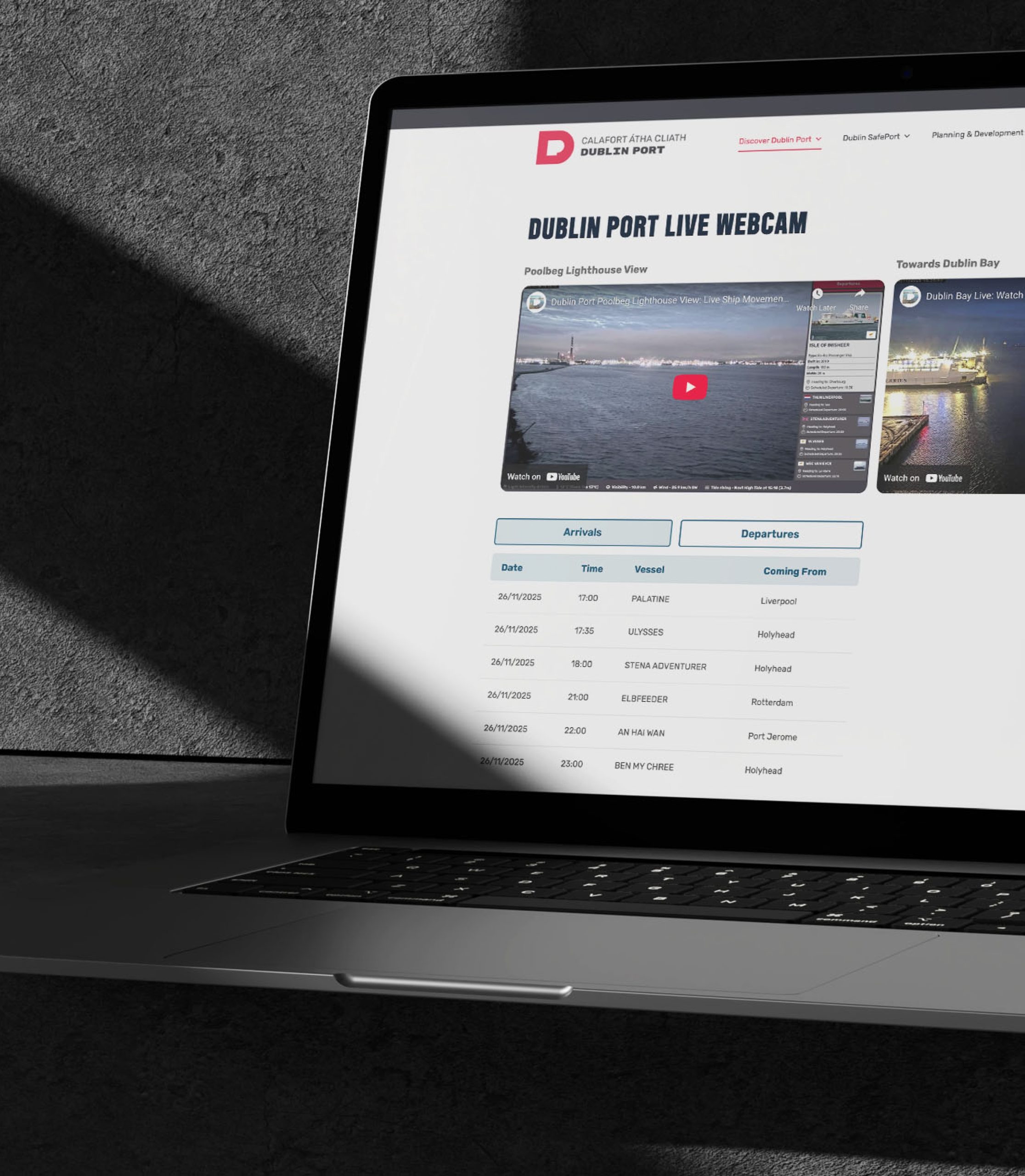
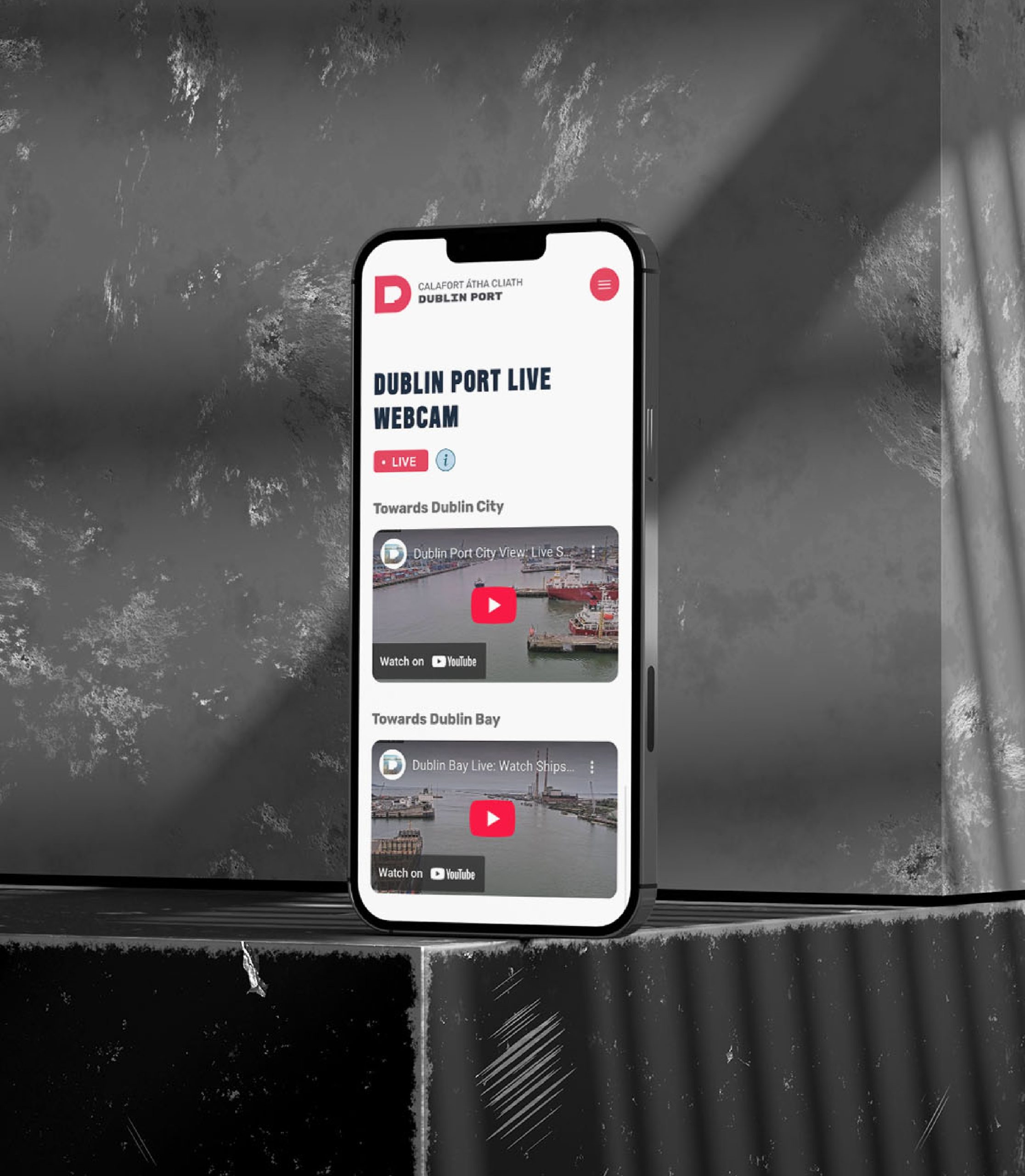
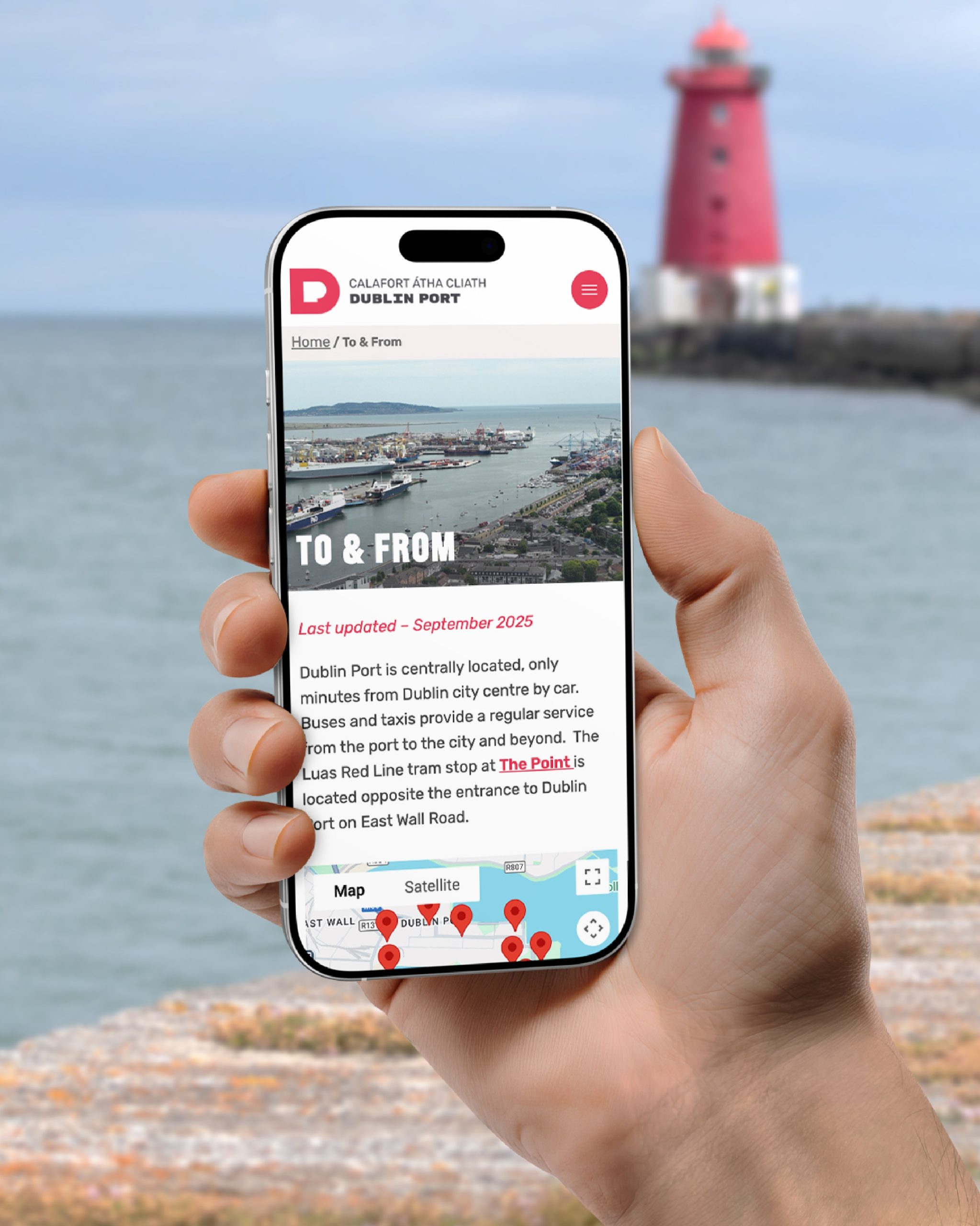
Operational clarity was non-negotiable. Live arrivals and departures, ships in port and 24/7 webcam streams were surfaced prominently. Practical information such as ferry terminal access and passenger guidance was streamlined and prioritised, recognising that speed and certainty matter most in a working port environment.
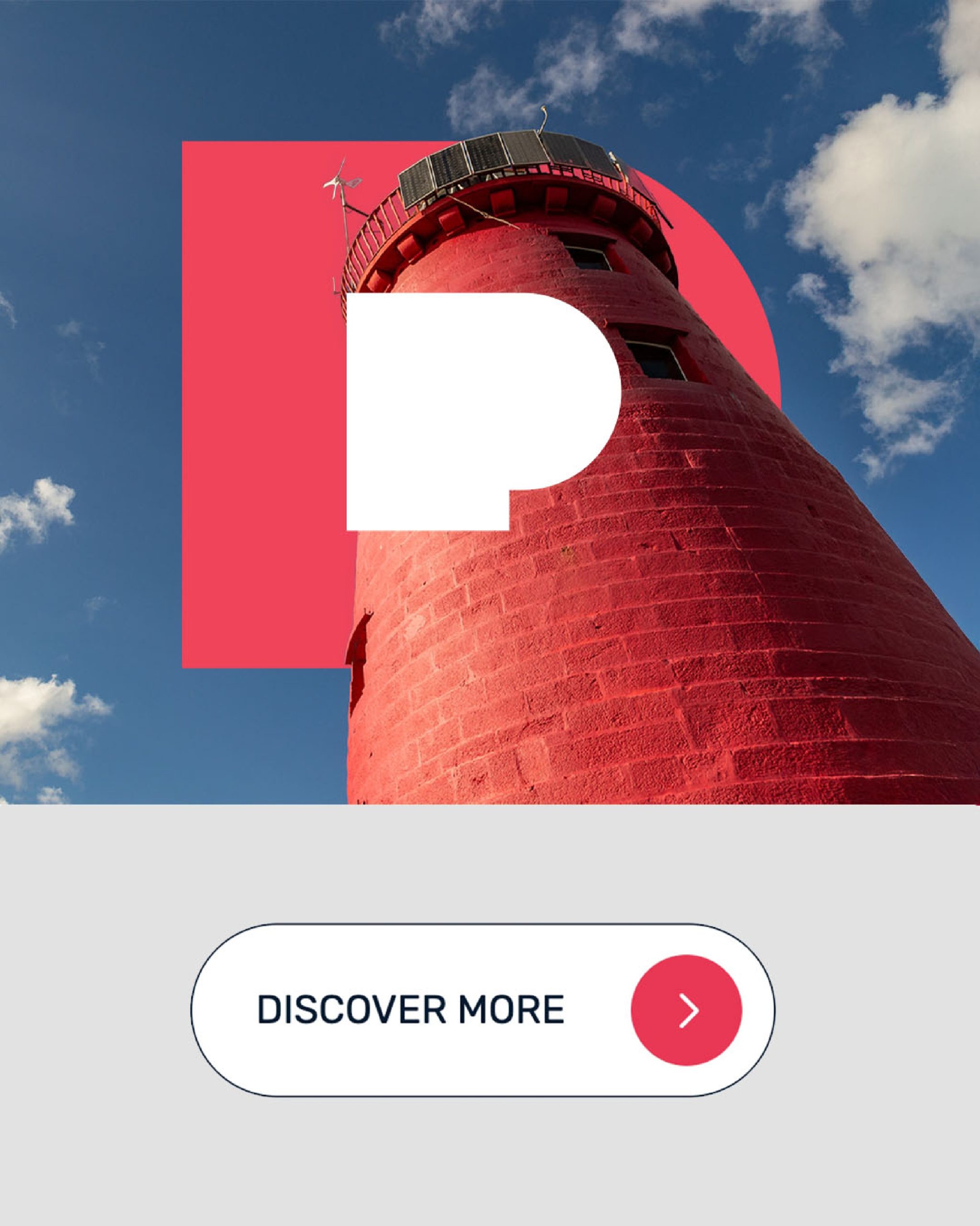
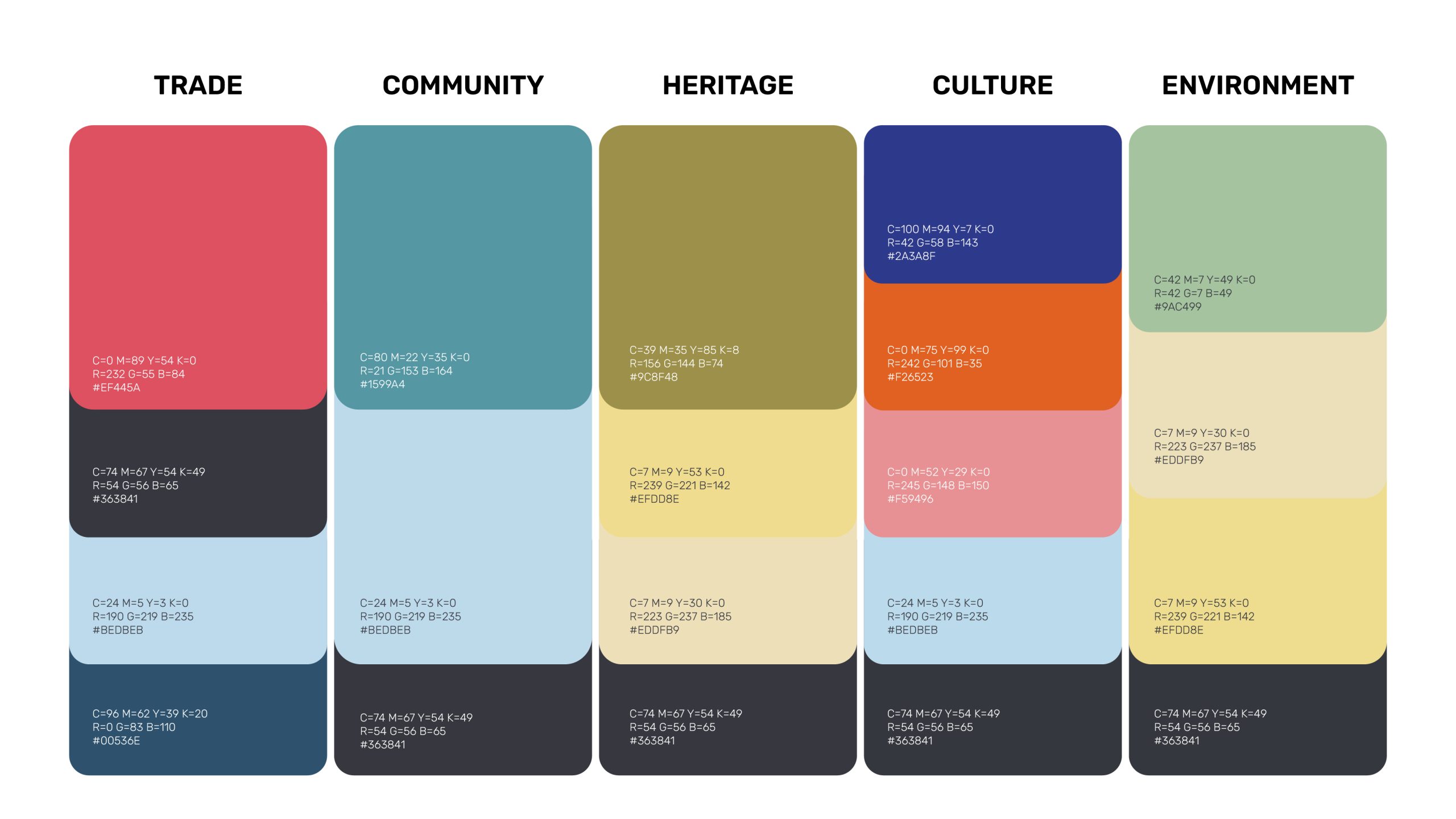
‘The Hardworking Heart of Dublin’ shaped how the site behaved and felt, from live port activity becoming content in its own right to the use of strong typography, an industrial colour palette, and restrained graphic elements that reflected scale, permanence, and labour. The result was a site that feels active, open, and grounded in real work.
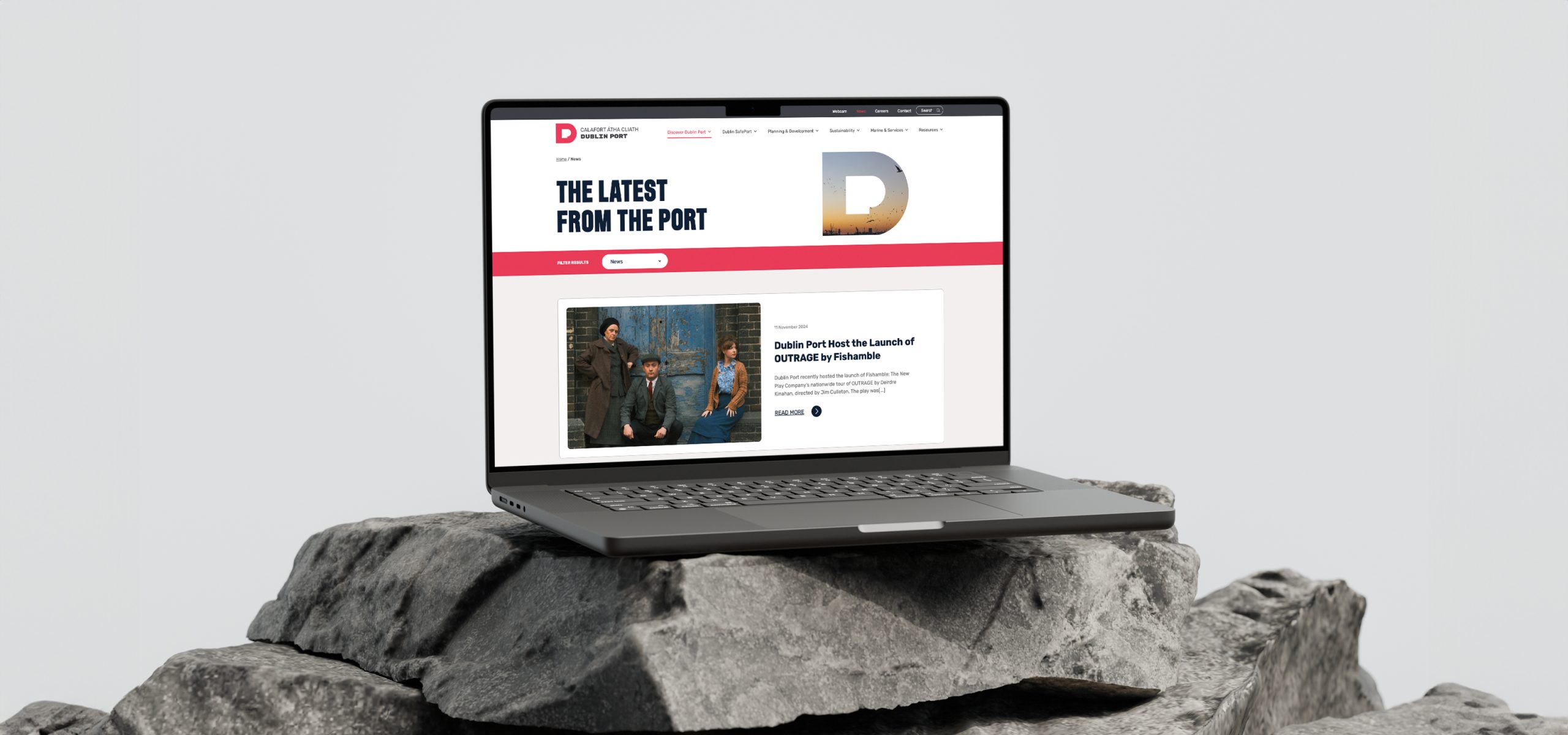
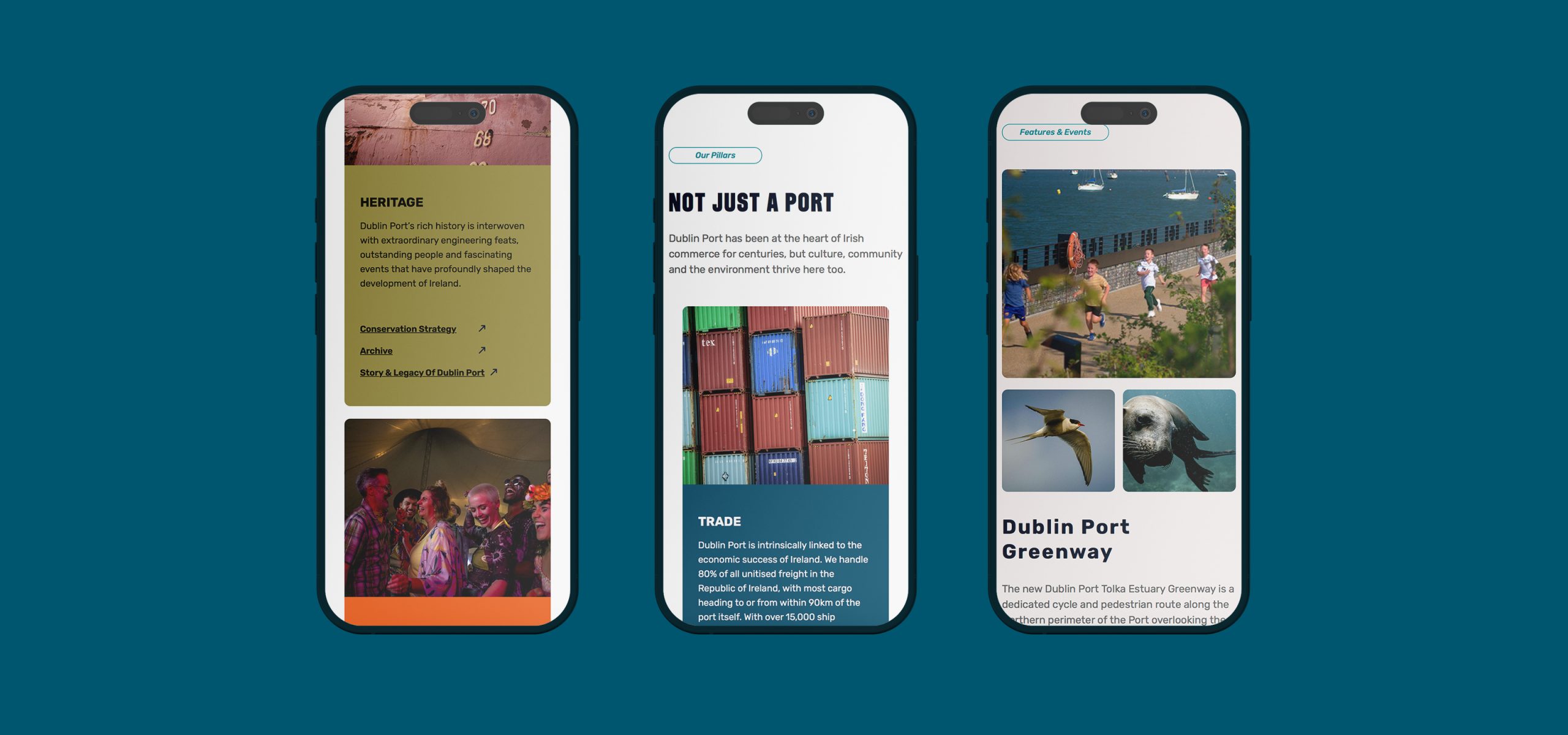
Content relating to trade, community, culture, heritage, and the environment was clearly structured, allowing users to engage with the broader role of the Port once immediate needs were met, holding operational clarity and civic relevance in deliberate tension.
The Impact
The relaunched website re-established Dublin Port’s digital presence as clear, purposeful, and trustworthy. Users could quickly find critical operational information, whether checking a sailing, locating a terminal, or understanding what was happening in the Port in real time.
Engagement increased across key pages, particularly live content such as webcams and shipping information. The site also supported wider public engagement, helping position Dublin Port as a place people could understand, access, and experience without diminishing its role as a busy working port.
Internally, the platform provided a clear framework for managing and maintaining information. Externally, it demonstrated how brand strategy can be applied to a live operational system, reinforcing Dublin Port’s position as an essential and hardworking part of the city.